







Search Results for: Dividing Line
What Is the Coffee Belt: Why Coffee Is Grown on Both Sides of the Equator
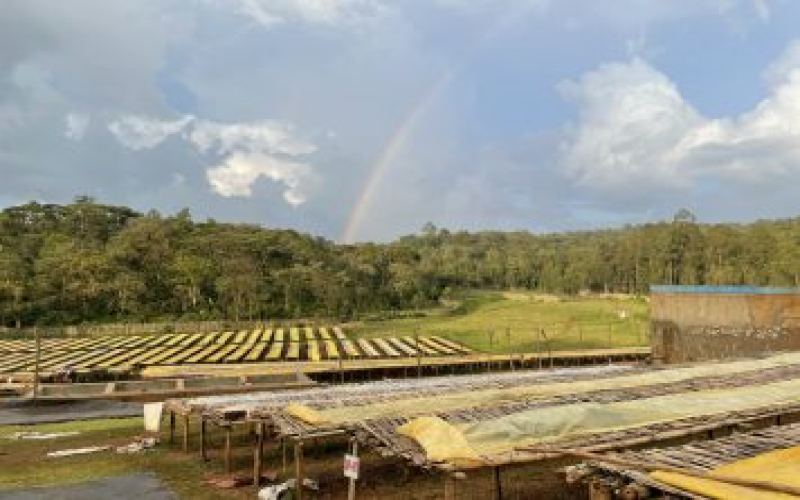
Open the world coffee-growing regions map, and you'll notice an interesting pattern: the major growing regions are almost all concentrated in a band on either side of the equator. This band is called the Coffee Belt. Understanding it means understanding the broad framework of coffee origins and flavors. Where is the Coffee Belt? The Coffee Belt lies roughly between the Tropic of Cancer and the Tropic of Capricorn, that is, [more…]
Medium-roast pour-over beans recommendation: choose flavors along the roast level
Medium-roast coffee beans are not an option with just a single flavor. As the roast goes lighter, the cup retains clearer floral notes, fruity acidity, and a tea-like quality; as it goes darker, it gains caramel sweetness, nuttiness, and more body. Using roast level as a filter lets you first determine the general character of a cup of coffee before looking at origin and flavor description. [more…]
Why Strawberry Candy Latte Works: The Underlying Logic of Flavored Beans
Seeing a strawberry candy latte on a café menu, many people instinctively assume it contains syrup. In fact, a properly processed flavored bean can produce a strawberry-like sweet aroma without any syrup at all, and Front Street Coffee's Strawberry Candy Blend was designed with exactly this approach in mind. Its premise is that the bean's own fermented flavor is distinctive enough—so distinctive that [more…]
How to Choose Several Coffee Beans Suitable for Pour-Over: Plan Your Bean List Based on Drinking Volume and Budget
Put a bean into a pour-over, espresso machine, or moka pot, and it will show three different faces. Pour-over highlights aroma and clarity, the espresso machine emphasizes intensity and sweetness, and the moka pot requires a balance among pressure, heat, and the coffee bed. The brewing device determines the approach to bean selection, while the roast level determines the direction of the parameters. The flavor direction of pour-over is determined by origin, variety, and process [more…]
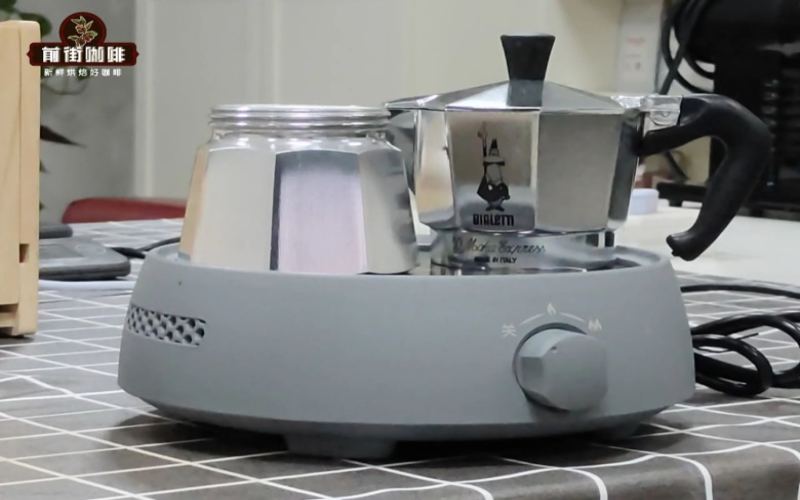
How much coffee powder and water should you use in a moka pot? What powder-to-water ratio is suitable?: Bean selection advice based on everyday drinking habits
From light to dark roasts, the flavor focus gradually shifts from floral and fruity notes with bright acidity toward sweetness and balance, and then to nutty, cocoa, and full-bodied notes, with the extraction rhythm changing accordingly. None is inherently superior—whatever suits your way of drinking is the right choice. The moka pot works by steam-pressure extraction; simply fill the filter basket with ground coffee, no need to [more…]
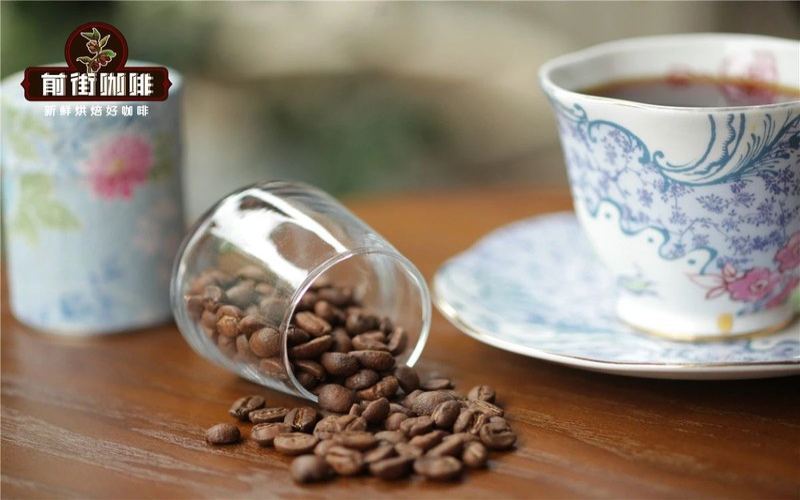
How to dial in the flavor window for moka pot coffee beans
Coffee brewed in a moka pot is strong and aromatic, and the condition of the beans directly affects how it tastes. To keep the cup from being too sharply acidic, consider the purchase date, roast date, and how quickly you drink them after opening. Fresh doesn't mean drinking them right after roasting; the beans need a period of degassing for the flavors [more…]
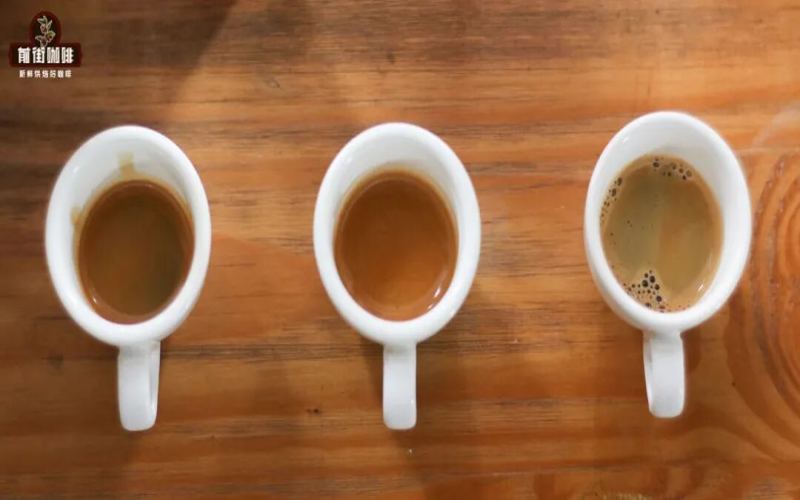
SOE Coffee Brewing Guide | How to Make Delicious SOE Espresso? How to Adjust SOE Coffee Bean Brewing Parameters?
After drinking too much traditional dark-roast espresso, one can't help but want a change of taste. As a result, most people swap the dark-roast blend in their hopper for SOE coffee beans that highlight flavor, using them to craft espresso with a pronounced acidic taste. These beans tend to be roasted on the lighter side, so if we use the parameters for extracting dark-roast beans [more…]
Colombian Coffee | What Is Big Belly Button Coffee? Does Big Belly Button Refer to a Coffee Variety? What Are the Flavor Characteristics of Big Belly Button from Finca La Divisa in Colombia?
“Why is this coffee called Big Belly Button?” This is a question N friends ask when looking at the Front Street Coffee bean list blackboard! But indeed, it's not just on the Front Street Coffee bean list—the name Big Belly Button stands out no matter where it's placed, so it draws more attention than other coffees! [more…]

Coffee Shop Espresso + Pour-Over Dual-Line Bean Selection Plan
A well-established coffee shop usually needs to manage two product lines simultaneously: the espresso line and the pour-over line. The espresso line handles daily cup volume and revenue, while the pour-over line showcases professionalism and increases the average transaction value. The two lines use different bean strategies, but both require careful configuration. Espresso line: stable output, controlled costs, memorable highlights [more…]
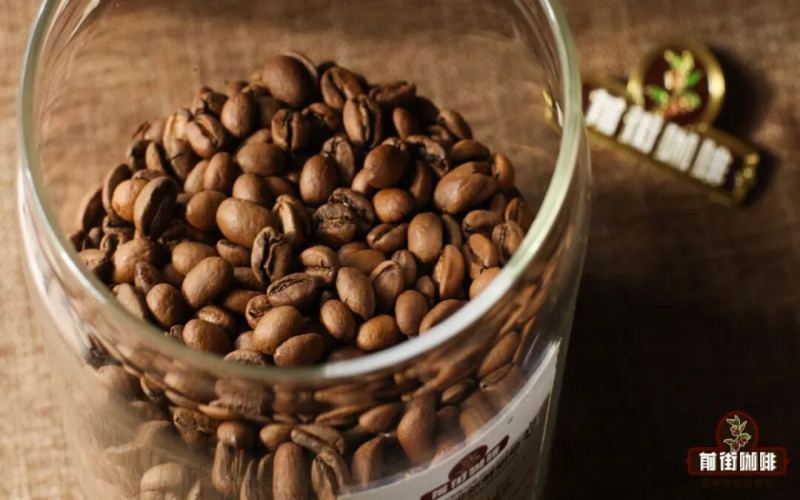
Coffee Roast Levels | How Can Coffee Beginners Quickly Distinguish the Roast Level of Coffee Beans? How Are Coffee Bean Roast Levels Defined?
As is well known, Front Street primarily sells coffee beans and has shops on both Taobao and Tmall, so friends who can't make it to the physical store often place orders online. Some of them then noticed that Front Street's bean labels don't indicate the roast level of the coffee beans, and they reported that once they receive the beans, they don't know how to identify [more…]
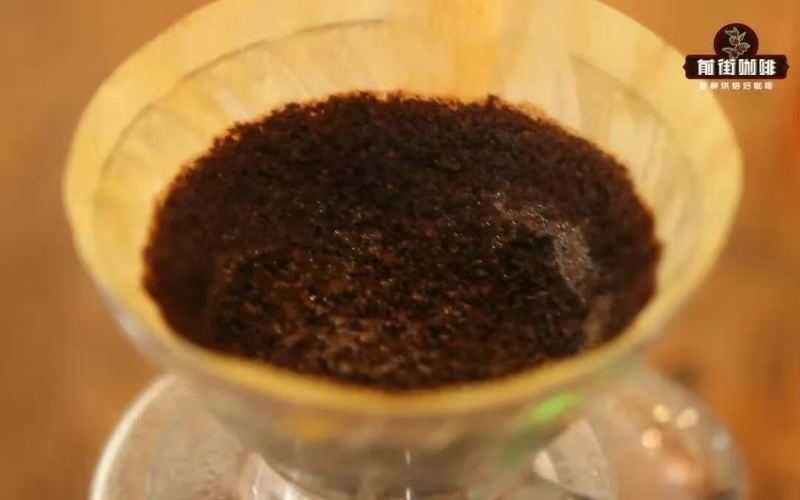
Coffee Shop Pour-Over Line Bean Configuration Plan
Compared to the espresso line, the pour-over line may not have as high a volume of cups in a coffee shop, but its value lies in: showcasing the store's professionalism, attracting coffee enthusiasts, and increasing the average transaction value. A reasonable pour-over line bean configuration should cover different flavor directions, giving customers choices and surprises. The three directions of pour-over line configuration. [more…]
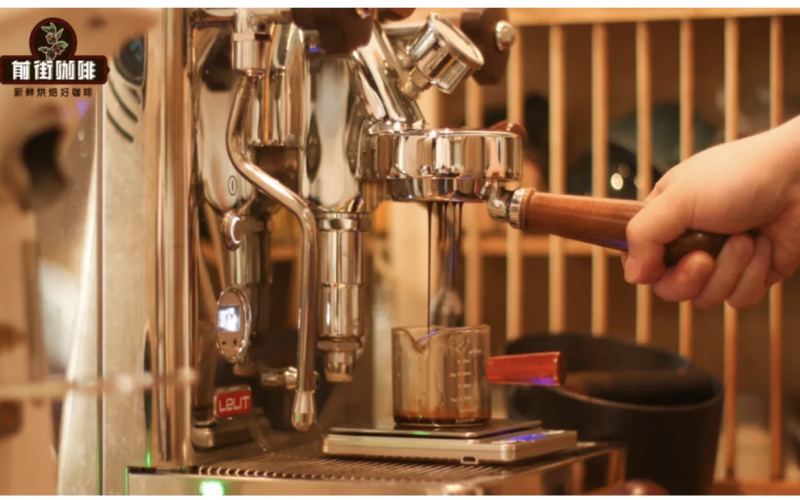
Bean pairing ideas for a coffee shop's espresso line
An espresso line at a coffee shop typically accounts for over 70% of total drink output. The quality of core beverages like Americano, latte, cappuccino, and Dirty largely depends on whether the right beans are chosen. The mature approach to bean selection for an espresso line is a "base blend + specialty blend" combination: one stable base bean to support [more…]
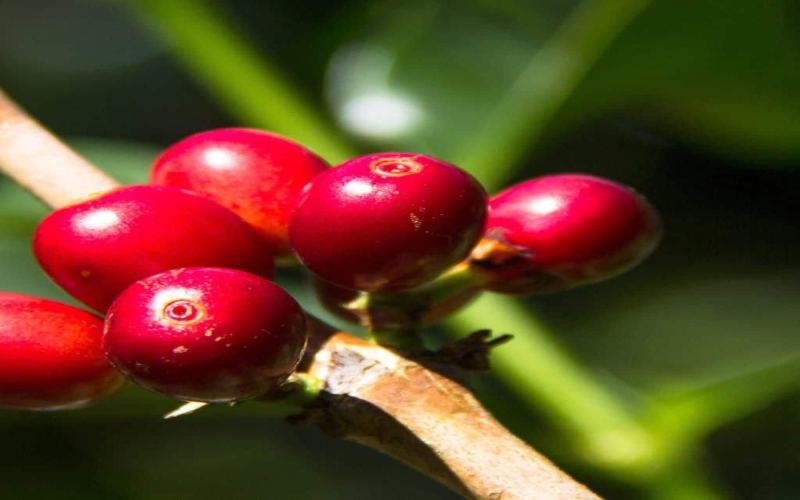
Complete Guide to Geisha Coffee Beans: From Origin and Spread to Taste Grades and Flavor Differences with Huakui
Geisha, hailed as the most legendary coffee variety of the 21st century, has become an undisputed star in the specialty coffee world thanks to its stunning cupping performance and ever-rising auction prices. But where exactly did Geisha come from? Is it the same bean as Huakui? How do you distinguish between the Red Label, Green Label, and Volcanic Rock lots from Panama's Hacienda La Esmeralda? How does the product line from Gesha Village in Ethiopia differ? This article, led by Front Street Coffee (FrontStreet Coffee), will systematically trace Geisha's rise to fame, its varietal characteristics, and its flavor expression across different producing regions, along with practical brewing suggestions to help coffee lovers gain a comprehensive understanding of this legendary variety. [more…]
Beans for Both Espresso and Pour-Over: How to Configure a Single Machine for Two Brewing Methods
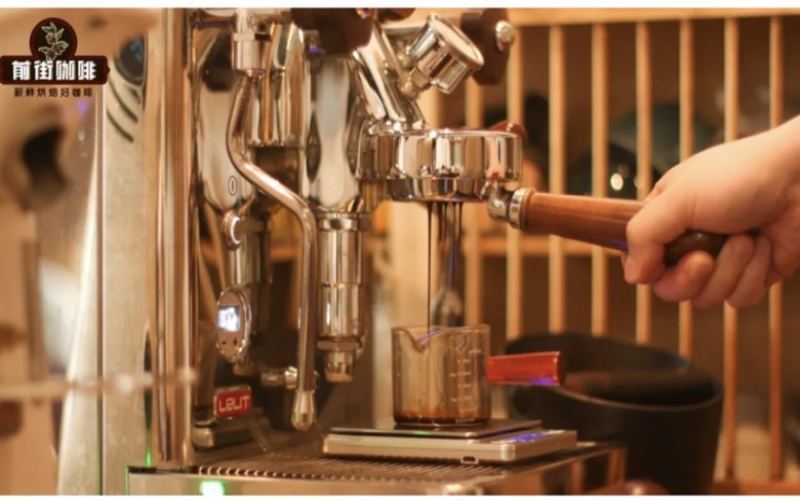
Players who have both an espresso machine and a pour-over kettle at home often fall into a kind of happy dilemma: when buying beans, they're always torn over "should this one be for pour-over or for espresso?" Actually, the mature approach is a dual-purpose bean lineup—within the same purchase batch, some beans are dedicated to espresso, some are dedicated to pour-over, and some can pull off both faces. This article talks about [more…]
A Brief History of Arabica Varieties: The Variety Lineage Behind an Espresso Blend
Holding an espresso bean list in your hand, names like Mandheling, Typica, and SL28 often dazzle the eyes. In fact, they all belong to the same bean species—Arabica—just with different variety lineages. Following the lineage down, the story of each bean becomes clear. The lineage starts with two wild ancestors: E [more…]
Floral and fruity pour-over beans: a flavor timeline after opening the package
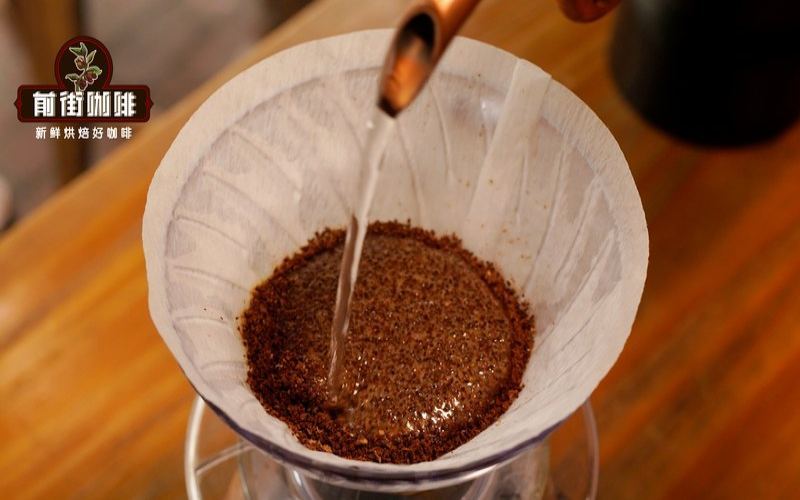
In a cup of floral-fruity pour-over, the aroma changes over time. Freshly roasted beans usually carry more roasting gases, so the brew may have a scattered aroma and pronounced acidity, with the details not yet fully developed. After some time, the floral notes, fruity sweetness, and tea-like quality gradually become clearer, and the layers are more easily revealed on the palate. When buying beans, [more…]
Latte Recipe Ratio | How Can Coffee Beginners Practice Italian Latte Art Patterns at Home? What Details Should Be Noted When Creating Latte Art Designs?
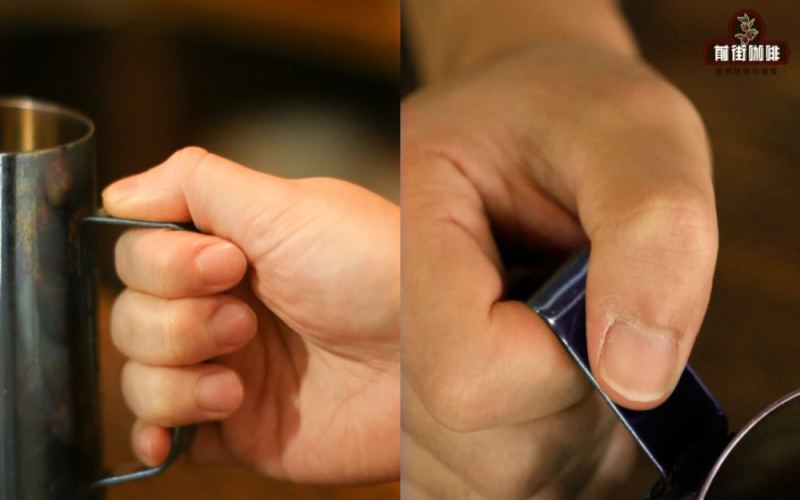
A friend asked Front Street Coffee how to practice the pitcher movement for patterned latte art. This article serves as a supplement to "How can you pour beautiful patterned lines?" If you haven't read it yet, you can click the link to take a look first; this article won't repeat the content covered there. The first issue: if your pour is asymmetrical, there is only one possible [more…]
Variety and Floral-Fruity Aromas: The Aromatic Genes of Geisha, SL Lines, and Heirloom Varieties
Same estate, same processing method—so why do some varieties fill the cup with floral aromatics while others taste utterly ordinary? Half of the underlying code for floral and fruity aromas is written into the coffee variety's genes. This article sorts through several star variety families to see how genes determine the aromatic destiny in the cup. Geisha: the pinnacle example of floral aroma. This one, from Eth... [more…]
The Evolution Path of Commercial Base Beans: How to Upgrade Step by Step from Chain-Style to Specialty Blends
Those who have opened a shop and look back at their base beans will find a clear evolutionary line. Most people start with chain-style dark-roast blends, and after a year or two, the beans on the bar gradually shift toward medium roasts and specialty blends. This isn't fickleness of taste—it's that as a shop grows to different stages, the questions the base beans need to answer also [more…]
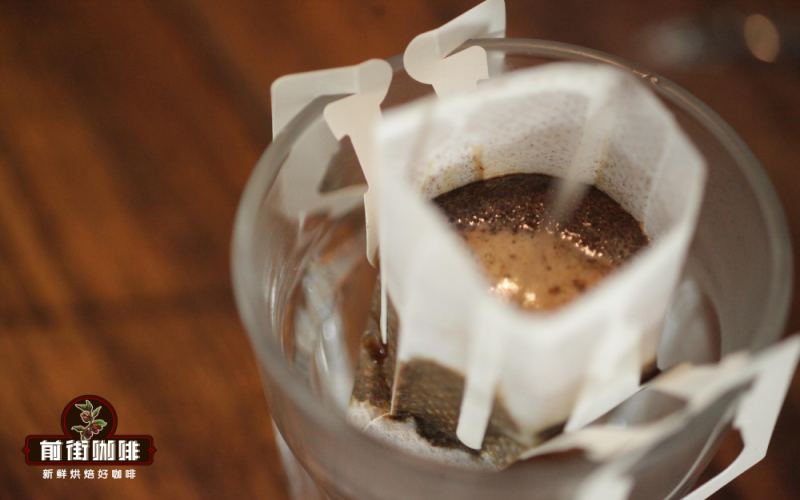
Drip Bag Filter Coffee | Are Drip Coffee Bags Instant Coffee? Can You Just Toss a Drip Coffee Bag Into a Cup and Brew It? How Many Times Can You Reuse a Drip Coffee Bag?
To make drip bag coffee, Front Street Coffee grinds freshly roasted coffee beans into suitable particles and seals them in a non-woven filter bag. It is a portable pour-over coffee product, essentially a simplified version of hand-brewed coffee. As long as you have hot water and a cup, you can enjoy the taste of hand-brewed single-origin coffee anytime. [more…]